

Delta Health and Safety and Personal Protection
Delta Health and Safety has been in the Personal Protective Equipment (PPE) industry for over twenty-five years. During this time, we have gained a wealth of knowledge and insight that we put into daily practice.
Our high level of experience and knowledgeable team is always available to inform our customers and make their responsibilities more manageable and affordable where possible. That’s why we know that a guide to PPE is crucial to have on hand.
So, in this article, we have put together a rundown on the ‘what’, ‘why’ and ‘which’ of safety equipment. This is just one more way we can add value to our clients and anyone interested.

What is PPE?
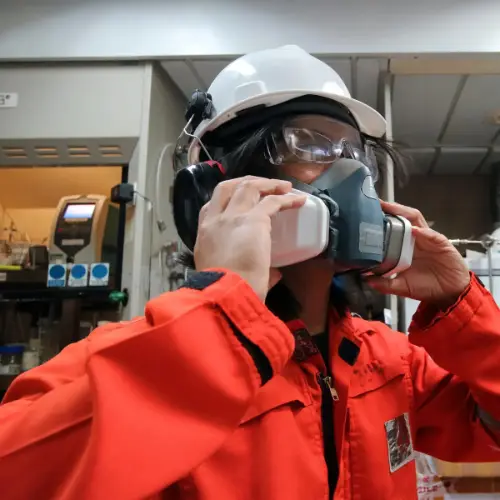
PPE is the clothing, gear and equipment designed to reduce your exposure to certain risks. It protects employees working in environments exposed to chemical, biological, physical hazards and more.
It is important to remember that PPE is the last line of defense. An employer is responsible for putting engineering, work practices, and administrative controls in place to protect employees as best they can.
Where these do not provide sufficient protection, employers must provide protective equipment to further ensure the safety of their employees. Training and enforcing the correct use at all times is also the role of the employer.

When is PPE Necessary?
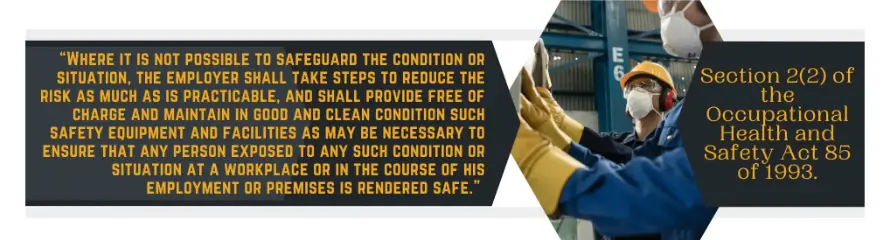
The Occupational Health and Safety Act places an obligation on the employer to supply employees with safety equipment.
Where chemical, biological, and physical hazards exist, it is imperative to issue and ensure the wearing of PPE. By law, the employer must conduct a risk assessment to determine the dangers faced and then supply the necessary protection. They are also obliged to give training on how to use safety gear correctly.
Apart from preventing unnecessary workplace injury, PPE has other benefits too.
- It improves employees’ productivity and efficiency
- It encourages employees to feel trust towards the company and therefore promotes loyalty
- It helps businesses comply with workplace regulations
- It prevents the spread of germs and infectious diseases, including COVID-19
Categories of PPE
A hazard assessment will determine what safety equipment you need in your environment. There are specialised items available depending on your risk of exposure and work conditions.
Protective equipment comes in eight main categories. In certain circumstances, you may need something from every category. The vital consideration when selecting PPE is that it must be appropriate and practical for the situation.
Face Protection and Protective Eyewear
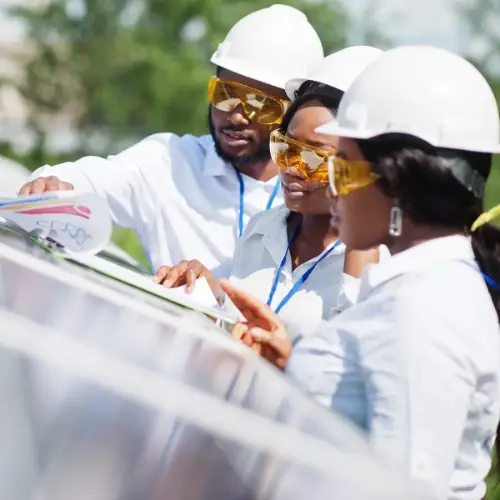
Face and eye protection shields the wearer from eye damage caused by sprays, splashes, burns, and flashes. It is necessary when the eyes and face risk exposure to chemicals, debris, or excessive light.
Face and Eye equipment include:
- Safety goggles
- Safety spectacles
- Overspecs
- Face shields
Respiratory Protection
Respiratory Protective Equipment (RPE) includes:
- Full-face respirators
- Self-contained breathing apparatus
- Gas masks
- N95 respirators
- Dust masks
- Surgical masks
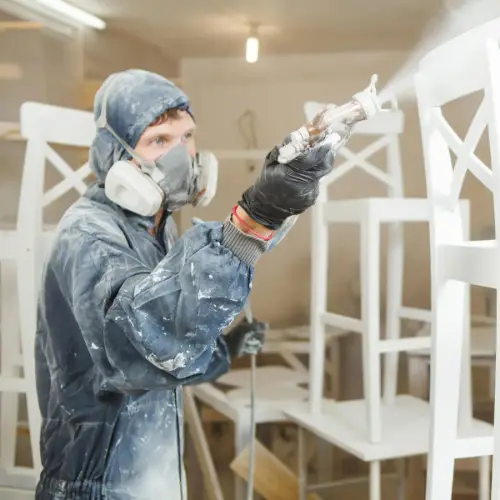
RPE is necessary for environments where the inhalation of harmful materials is a risk. Harmful materials can include anything from chemicals to dust and viruses.
Here are our top tips for RPE safety:
- Ensure you fit-test and seal-test your RPE
- Train your employees properly before they use RPE
- Change the filters on mask respirators frequently
- Replace disposable masks after every use
- Replace any respiratory equipment if it is damaged
Head Protection
Head Protection is crucial where the risk of falling objects or force to the head exists. Protective headgear includes helmets, caps, hoods, and hats.
Here are some points to keep in mind when considering head PPE safety:
- Always dispose of headgear with dents or deformities
- Do not store equipment in direct sunlight as this can cause damage
- Do not clean it with abrasive agents as these can weaken the gear
- Replace all equipment after suffering any impact, even if there is no visible damage

Body Protection
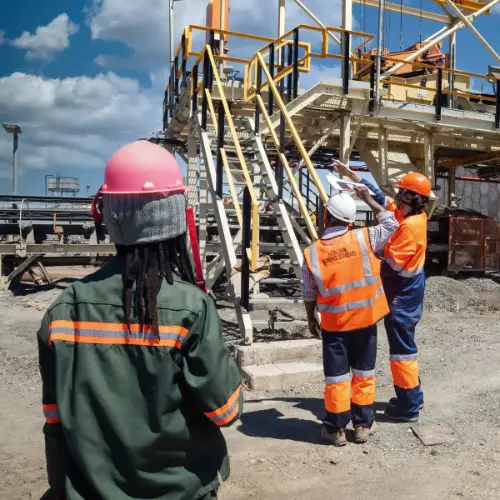
Body protection includes arc protective clothing, high visibility clothing, overalls, boiler suits and chemical protective clothing. The risk of bodily harm is present in nearly every workplace.
Always be confident that your employees are protected from chemicals, extreme temperatures, flames, sparks, and abrasion.
Here are our top pointers in body PPE safety:
- Make sure that the clothing fits correctly
- Ensure that there are no holes or cuts present
- Implement processes and check to know all kit is appropriately cleaned or disposed of when it has been exposed to hazardous substances
Hand Protection
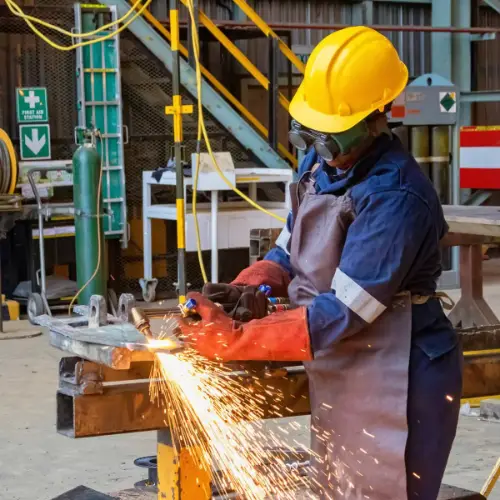
Your employees’ hands are on the front line of your business. Hand hazards include extreme temperatures, sharp objects, chemicals, electrocution and falling objects or force.
Hand injuries are among the most common workplace injuries, so protection is vital to keep staff safe and operating at their best. Hand safety consists of gloves for every situation or hazard.
Here are some guidelines to implement when looking at hand protection:
- Ensure gloves fit perfectly
- Replace any equipment that has any cuts or burns
- Replace gloves if there is any sign of contamination
- When dealing with electricity, rubber helps to prevent shock
- Ensure that there is no loose material on your hand protection that may get caught in machinery

Safety Footwear
The modern range of safety shoes and boots offers safeguarding from any possible workplace hazard. Safety footwear helps prevent injuries sustained by falling or rolling objects, hot substances, slippery surfaces, and electrical hazards.
Slip-resistant steel-toed safety boots are a necessity for most industries. Assess your hazards to determine if you need added measures, such as a steel mid-sole or oil resistance. Regardless of the risks present, ensuring safety footwear fits correctly is essential.
- Avoid scuffing the upper leather. Don’t tread on sharp edges that could cut or tear the sole.
- Clean your shoes often.
- Remove excess mud and dirt, wipe clean with a damp cloth, and dry thoroughly, preferably overnight, at room temperature.
- Don’t dry shoes with direct heat, as it can change the fit and cause the leather to crack.
- Regularly apply a good quality wax polish or shoe cream to the leather uppers.
- If your footwear has a Nubuck or suede upper, gently rub them with a stiff-bristled brush.
- Check soles for stones and metal shavings often and remove them from the cleats.
- If the laces become worn, replace them immediately to keep a good firm fit.
- Remember that damaged footwear will not provide the necessary protection. Replace immediately if they are not in suitable condition to keep your feet safe.
Hearing Safety
Staff exposed to excessive noise should safeguard their hearing. This is to prevent hearing damage or loss.
Earmuffs or earplugs are the best options in protecting your hearing. The decibel level of the noise and the amount of time spent exposed to it will determine the protection needed.
By law, your employees must receive hearing PPE when exposed to:
- More than 85 decibels for 8 hours
- More than 88 decibels for 4 hours
- More than 91 decibels for 2 hours

Training Your Employees to Use Safety Equipment
PPE is only effective if used correctly. That’s why it is so important for an employer to train employees on how to use equipment safely and in the right way.
Be sure your training covers what the limitations of your protective equipment are and how:
- to use gear properly
- to know what equipment is necessary
- to put it on, adjust it, wear it, and take it off correctly
It’s Not Just PPE; It’s a Promise of Peace of Mind
Delta Health and Safety is committed to keeping your workplace safe. We have spent over two decades gaining expert experience in how to do just this.
Our friendly and professional team will help assess your safety needs and provide workable solutions that provide you with peace of mind.
We hope this guide sets you off in the right direction. We are available to discuss anything you need to know, from specifications to best use practices.