
When a chemical spill or splash occurs, every second counts. The right emergency safety shower can mean the difference between a minor incident and a serious injury. Choosing the correct model for your workplace isn’t just about ticking a compliance box — it’s about protecting people, maintaining operational readiness, and meeting South African safety standards.
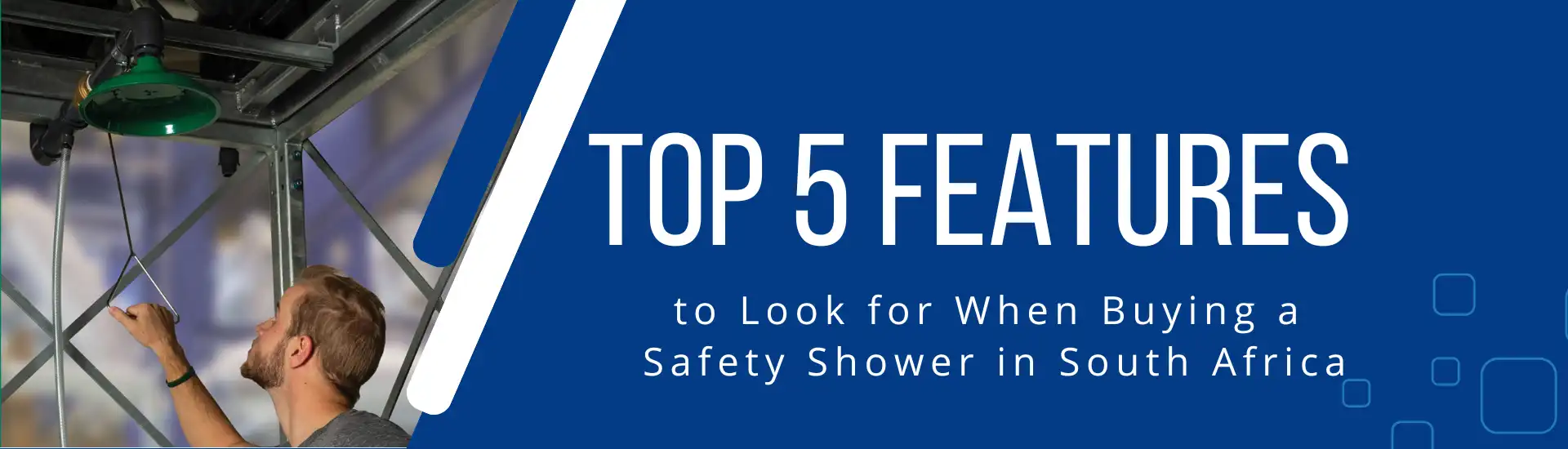
Before investing in a safety shower, it’s worth knowing what really matters. Below, we explore the top five features to look for when buying a safety shower in South Africa, helping you make an informed, compliant, and long-lasting choice.
1. Compliance with South African and International Standards
The first and most critical factor is compliance. A safety shower that doesn’t meet recognised standards may fail to deliver adequate water flow, coverage, or activation speed during an emergency — potentially leading to injury and non-compliance penalties.
In South Africa, benchmark standards include:
-
Minimum flow rate and duration
-
Correct water temperature range
-
Accessibility and activation time (within 10 seconds)
-
Proper installation height and positioning
Selecting a compliant shower ensures that your facility meets the Occupational Health and Safety Act (OHS Act) expectations and demonstrates your commitment to worker welfare.
All safety showers and eyewash stations supplied by Delta Health and Safety Equipment are designed and tested to meet or exceed these compliance standards.
2. Material Quality and Corrosion Resistance
Industrial environments — particularly those along the coast or involving chemicals — can be harsh on equipment. The material construction of your safety shower has a direct impact on its longevity and maintenance costs.
Most high-quality showers are made from 304 or 316 stainless steel:
-
304 Stainless Steel: Durable and cost-effective for indoor or mild environments.
-
316 Stainless Steel: Offers superior corrosion resistance, making it ideal for coastal regions, chemical plants, and food processing facilities where hygiene and durability are critical.
In South Africa’s varied climate, from humid coastal areas to dry inland factories, choosing the right material ensures that your safety shower remains reliable, rust-free, and ready for use when it matters most.
Delta’s range includes both 304 and 316 stainless steel options — designed to handle South Africa’s toughest industrial conditions. In coastal regions like Cape Town, Durban, Richard’s Bay, or Gqeberha, 316 stainless steel is essential to prevent corrosion and maintain reliability
3. Water Flow and Temperature Control
When an emergency occurs, the shower must deliver a steady, consistent flow of water that fully drenches the affected worker for at least 15 minutes, as per international standards. Uneven or low pressure can compromise the effectiveness of decontamination.
In some facilities, water temperature control is also important. Water that is too cold can cause thermal shock and discourage full use, while water that’s too hot can worsen burns.
4. Activation Mechanism and Accessibility
Speed and ease of use can save lives. During an emergency, an injured worker may have limited mobility or vision, so the safety shower must be quick to activate and easy to reach.
The most common activation options include:
-
Hand-Operated Showers: Simple pull-rod activation.
-
Foot-Operated Showers: Ideal for hands-free operation when immediate activation is needed.
-
Combination Hand-and-Foot Mechanisms: Provide maximum flexibility and accessibility for all users.
The key is ensuring intuitive design — the shower should activate in a single motion and stay on without the user needing to hold or control it.
Delta’s eyewash and safety shower combinations are engineered for ergonomic ease, ensuring rapid activation in high-stress situations.
5. Installation, Maintenance, and Service Support
Even the best safety shower can fail if not properly installed or maintained. Placement, water supply, and drainage must comply with both local and international standards.
Regular testing — ideally weekly functional tests and annual full-flow tests — ensures reliability.
When selecting a supplier, look for one that offers:
-
Technical installation support
-
Regular maintenance services
-
Spare parts availability
-
Compliance documentation and certification
Conclusion: Choose a Safety Shower Built for South Africa
Selecting the right safety shower is about more than meeting compliance: It’s about protecting your workforce and ensuring peace of mind in the event of an emergency.
Here’s a quick recap of the top five features to look for:
-
Compliance with standards
-
Durable materials suited to your environment
-
Consistent water flow
-
Fast, reliable activation mechanisms
-
Ongoing installation and maintenance support
Not all safety showers are built alike. Choose one that’s designed for South Africa’s demanding industrial environments — and backed by Delta Health’s trusted expertise.
Ready to upgrade or install safety showers at your facility?