
African Innovation – Foot Protection Ahead of the Rest
Heritage and Foot Protection
With Heritage Day on the horizon, we’re taking a look back to appreciate our roots. Various incredible cultures throughout Africa have shared lessons that are still important in foot protection today.
Delta Health and Safety looks at some of Africa’s cultural contributions to safety footwear and what lessons we can learn about foot protection from each.
Early Foot Protection
Foot protection has been present in many cultures since man began to form tools. Safety footwear is essential in any industry operating within non-optimum environments. Many of the benefits of today’s safety footwear stem from historical approaches.
Here are some of the proudly South African and African historical lessons on safety footwear.
Lessons About Foot Protection from South African Heritage
Today South Africa is one of Africa’s most technologically and economically advanced countries.
In our culturally diverse landscape, there is much to be said of the innovation of foot protection.
Let’s take a closer look at where it started.
Shaka Zulu and His Warriors
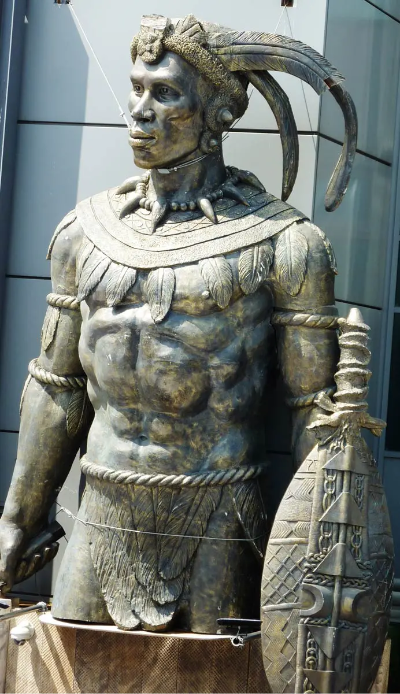
When Shaka Zulu was a young man and fighting in the Zulu army, the warriors wore leather sandals into battle.
Shaka noticed that the sandals affected his speed and agility, and he began fighting without them. As a result, he revolutionised the way the Zulu fought, and when appointed king, he banned sandals from his army.
Wearing sandals into battle was punishable by death, as was defeat. Of course, we might not want to take such a brutal stance, but your foot protection can still be a matter of life or death.
Shaka Zulu taught us that agility is a crucial consideration in footwear. Being able to move more freely and feel relaxed in your boots also increases your safety.
The Khoisan and the Veldtschoen
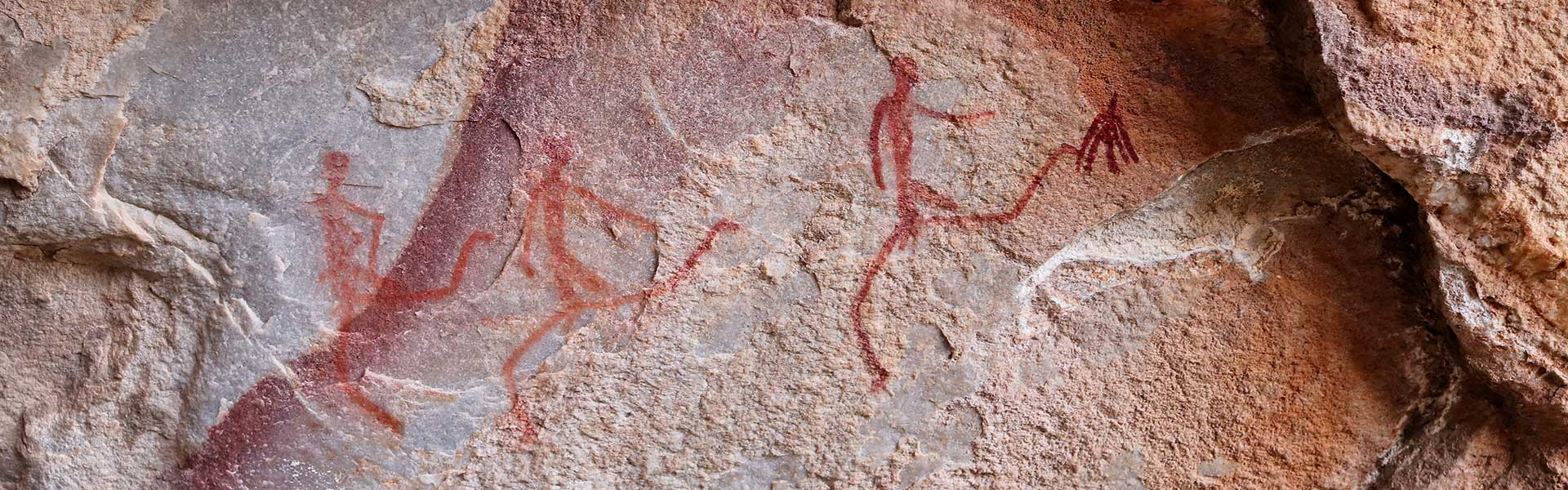
The Khoisan inhabited parts of Southern Africa characterised by high grass and arid weather. Their shoes constructed from rawhide and leather were able to withstand the high temperatures and rough terrain.
When Europeans settled in South Africa, they adopted the Khoisan shoe construction. This, combined with simple European design, led to the creation of the Veldtschoen or “bush shoe”.
The superior construction of Khoisan footwear highlights the importance of heat protection. Safety footwear, especially in first response, mining and agriculture, needs to be heat resistant.

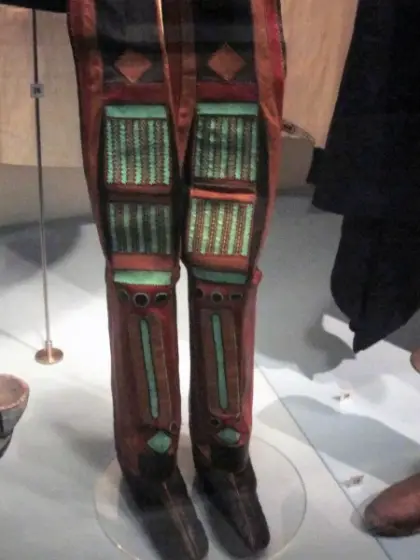
Image source: https://commons.wikimedia.org
Foot Protection Heritage Throughout Africa
South Africa is not the only African country to provide vital footwear lessons. Throughout our continent, many cultural norms led to significant protection foundations.
The Hausa’s Riding Boots
The Hausa were known for their equestrian skills in Niger and Nigeria. In addition, they developed leatherwork skills which are renowned throughout West Africa.
To protect their legs from the sun and sand, the Hausa produced thigh-length leather boots. These boots offered a lot of protection as well as grip in the form of a knotted strap.
High-top protection and adequate grip are still essential in the mining and construction industries.
The Metal Cast Shoes of Cameroon
The Bamum of Cameroon has a culture strongly linked to metals. They believe that one of their kings discovered metal in rocks. Through this belief, they developed the skills to create bronze which led to casting metal shoes.
We still make use of metal in safety footwear today. Steel toe caps and steel midsoles provide crucial protection from crush injuries and penetration from below, respectively.
We Take Pride in Our Heritage and Keeping You Safe
This Heritage Day, take some time out to appreciate African contributions to the world of industry. In today’s world, taking a moment to enjoy our roots and how they have built our world is refreshing.
Delta Health and Safety is a proudly South African company. We have been around for 27 years, appreciate our heritage and want South African people to be safe.