

Are You Aware of the Dangers of Welding Fumes?
What Makes Welding Fumes Hazardous?
Welding fumes are now regarded as carcinogenic after recent reclassification. They contain particles and gases of various sizes. These range from minute unseen particles to large sand-like bits.
The dangers of welding fumes lie in these particles. The fumes contain chemicals such as carbon monoxide and small pieces of molten metals. Today’s blog looks at the short-and long-term effects of exposure and what you can do and use to protect your staff.
Short-Term Effects of Welding Fume Exposure
The short-term effects of inhaling welding fumes may not be life-threatening. However, they can result in hospitalisation.
Eye, Nose and Throat Irritation
The fine particles in welding fumes result in dryness in the throat. They may also cause coughing or a tight chest.
Dizziness, Headaches and Nausea
Due to the chemical composition of welding fumes, inhalation affects the brain.
Welding by-products such as carbon monoxide and ozone get absorbed into the bloodstream. This causes the welder to feel head pain and other related symptoms.
Metal Fume Fever
This is when the welder suffers flu-like symptoms accompanied by weakness and fatigue. Metal fume fever is more noticeable if the welder has not experienced exposure to fumes for a few days.
Long-Term Effects of Welding Fume Exposure
Welders and smokers have the same risk of suffering chronic bronchitis. It is crucial to be aware of the chronic diseases caused by the dangers of welding fumes. Many of these are irreversible.
Abnormal Lung Function
The welder can permanently alter their lung function through overexposure to welding fumes. This may result in bronchial asthma, chronic obstructive pulmonary disease and even lung cancer.
Organ and Nervous System Damage
Metals like fluorides or gases such as phosphine in welding fumes affect the organs and nervous systems. This can result in stomach ulcers. It can also cause liver and kidney damage and affect the welder’s bones.
Increased Risk of Heart Attack and Stroke
After years of overexposure to the dangers of welding fumes, a welder risks health problems like smokers. They are at a much higher risk of suffering a heart attack or stroke than a non-welder or non-smoker.
Larynx and Urinary Tract Cancers
By-products like nickel and chromium are carcinogenic, putting the welder at high risk of developing various cancers.
How to Reduce Exposure to Welding Fumes
Knowing the dangers of welding fumes to one’s health is the first step. Once you have this awareness there are several tools you can use to reduce exposure.
Educate and Inform
Ensure that your staff are aware of the health hazards of welding. This helps encourage them to follow safety policies.
Implement Engineering and Administrative Controls
Using local exhaust ventilation or other physical controls reduces the number of welding fumes in an area. It’s recommended that welding happens in dedicated areas and preferably open spaces.
Provide Appropriate PPE
Reducing fumes exposure may not always be possible, especially if the welder must work in a small space. Providing Respirators protects from particle inhalation as long as there is sufficient oxygen within the space.
The Right Welding Protection
As an employer, you need to assess your staff’s exposure levels and determine the type of respirator required. There are various options available.

Disposable Respirators
Disposable protection forms a barrier against solid and liquid particles. They are maintenance-free and fit under most welding helmets. Disposable respirators may not be appropriate for extremely high exposure or restricted spaces (depending on the oxygen content of the area). Check the air percentage in these scenarios and if it is below 19%, then a disposable respirator should not be used.

Reusable Respirators
These protect the wearer from gases and vapours as well as particles. Depending on the model, various filters and cartridges are available, offering different levels of protection.
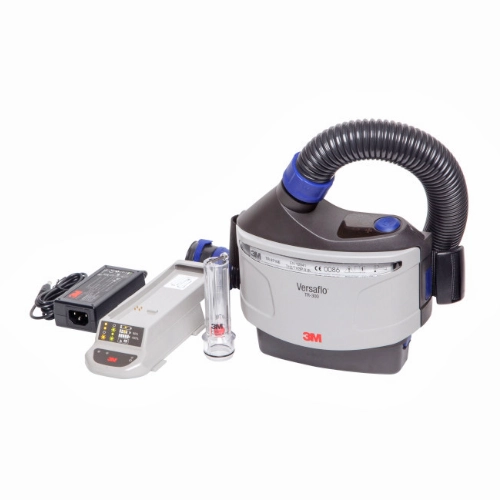
Powered Air Respirator Systems (PAPR)
A PAPR filters hazards from the air with a fan and a filter. They are portable and provide the wearer with continuous filtered air.
Protect Your Staff from the Dangers of Welding Fumes
Delta Health and Safety believes in the quality protection of your staff. Our fully equipped team will advise on the correct respirators and filters for your environment.