
The Development of Respiratory Protective Equipment through the Ages (Part 1)
In this two-part blog, we take a closer look at the journey taken before our advanced RPE became the quality equipment it is today.
Respiratory protection has a lengthy history. Almost any form you can think of has been used. Fortunately, those who went bravely before us, advanced respiratory protection, often through trial-and-error. Some attempts may seem outlandish looking back, but they laid the foundation for today’s respiratory protective equipment (RPE).
Modern-day respiratory protection has evolved into easy to use and efficient products. From disposable masks to more technical systems supplying filtered air, they all stem from creative historical solutions.

The Ancient Approach to Respiratory Protection
Respiratory protection has been in use since ancient Roman times. The first record of it relates to a philosopher and naturalist called Pliny the Elder. He used animal bladder skins to protect himself from toxic, mercuric sulphide dust. This dust was created when he crushed cinnabar to use in pigmentation for decorations. Roman miners also used bladder skins to protect them from lead oxide dust present in the mines.
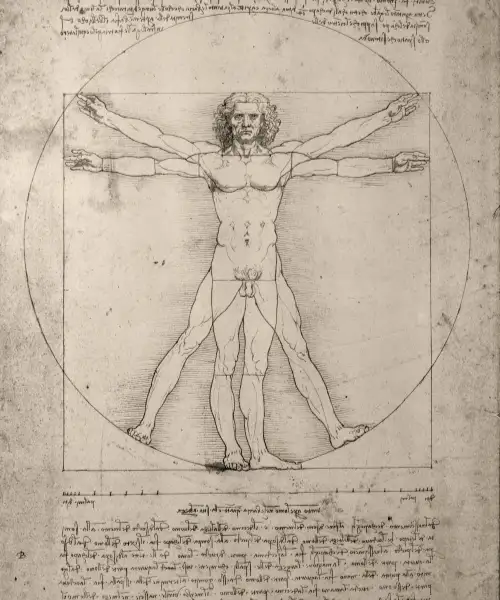
Many centuries later, Leonardo Da Vinci moved away from the primitive use of animal parts. He claimed that a wet, finely woven cloth could protect from toxins. However, his respiratory protection was not much more effective or inventive.
Bernadion Ramazzini, the father of occupational medicine, saw the inadequacy of respiratory protection in the 1700s. Workers in various industries suffered lung disease after exposure to arsenic, gypsum, lime and tobacco due to the inadequacy of the equipment. Despite the somewhat unusual or redundant methods, scientific investigations into respiratory protection began to gain traction.
In 1799 Alexander von Humbolt produced a primitive respirator made of a goatskin bag filled with air. The bag had two tubes connecting to a mouthpiece to provide the wearer with breathable air. However, what we would recognise as respirators today only came into being in the 18th and 19th centuries.


18th Century RPE Development
In 1827 a Scottish botanist called Robert Brown studied how small particles moved. He looked through a microscope at pollen grains suspended in water and discovered that particles move randomly when they collide. This is now known as the Brownian movement.
With this development, the improved understanding of the behaviour of particles meant respiratory protection technology progressed more effectively. Scientists could better determine what materials would capture small particles.
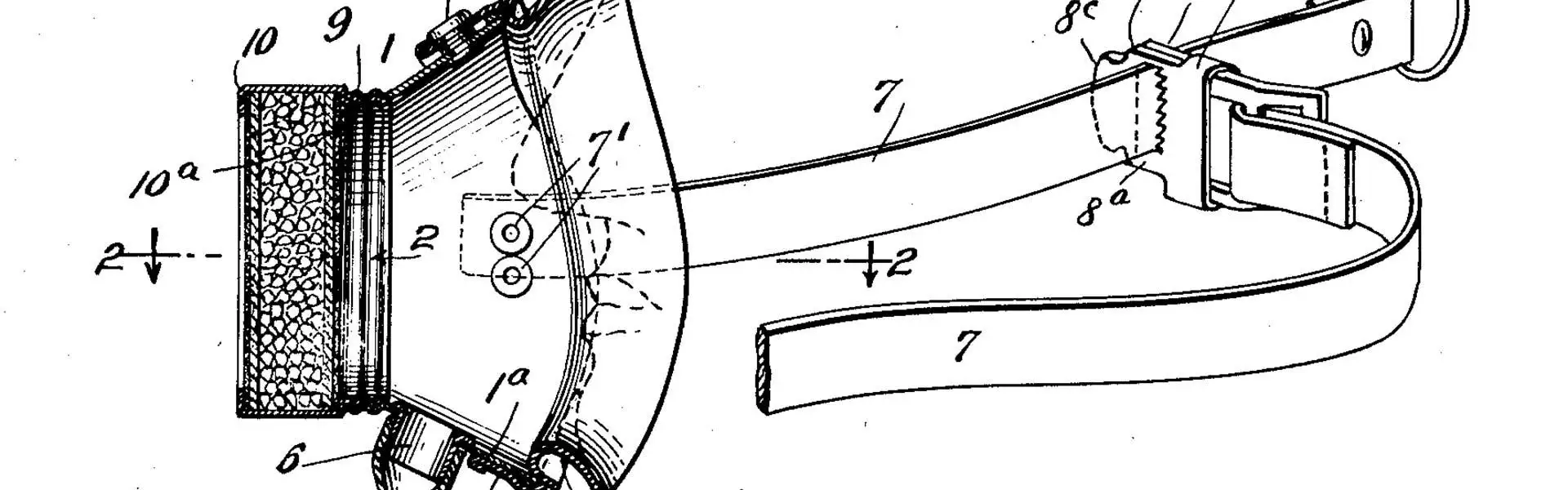
Two decades later, in 1848, Lewis P Haslett patented the “Haslett’s Lung Protector”. The lung protector used one-way clapper valves and a filter of moist wool to filter dust.
Not long afterwards, John Stenhouse designed one of the first respirators to filter toxic gases. Stenhouse’s respirator used activated charcoal to purify the air. This became a popular medium in respiratory protection and is still used in organic cartridges for respirators today.
The Beginning of Firefighter Respiratory Protection
In 1871 John Tyndall developed Stenhouse’s concept by adding a filter of cotton wool. He created the “fireman’s respirator” by soaking the cotton wool in lime, glycerine and charcoal.
In these times, the “fireman’s respirator” was likely the first choice over the patented Nealy Smoke Mask. This cumbersome contraption comprised of a series of wet sponges and a bag of water. The water bag was attached to a neck strap and squeezed to re-saturate the sponges.


19th Century Mining and Industry Developments
The Gibbs respirator, created for miners in 1920, was a closed-circuit respiratory device. It was revolutionary because it was self-contained, using compressed oxygen and soda-lime to remove carbon dioxide.
Fire and health departments also used it for its effective reduction of exposure to smoke and dust. It was the first respirator for industrial work to be officially approved by the United States Bureau of Mines.
Today, the industrial sector uses more high-tech respirators such as the 3M Versaflo Respiratory Hard Hat Assembly. It is used in supplied and powered air configurations and functions as both a respirator and hard hat.
Next month: In part two of this article, we look at the military history of respiratory protection, and how that influenced its use for medical caregivers.