

What is UVEX UV400 Protection?
UVEX UV400 – Superior UV Protection
We know that protecting your employees from workplace hazards is your main priority. At Delta Health and Safety, we want to ensure that you are equipped with all the right knowledge and PPE to help you in this mission.
UVEX’s UV400 protection is one of the best UV protective eyewear options worldwide. In this article, we explain why.
UV Radiation Education
We understand that you need to equip your team with knowledge of the hazards they face so that you can adequately protect them. Unfortunately, the intricacies of UV radiation can be complicated to communicate and explain.
At Delta Health and Safety, we know that easily digestible information is priceless. So here’s the gist of UV radiation, so you do not have to spend hours breaking it down.
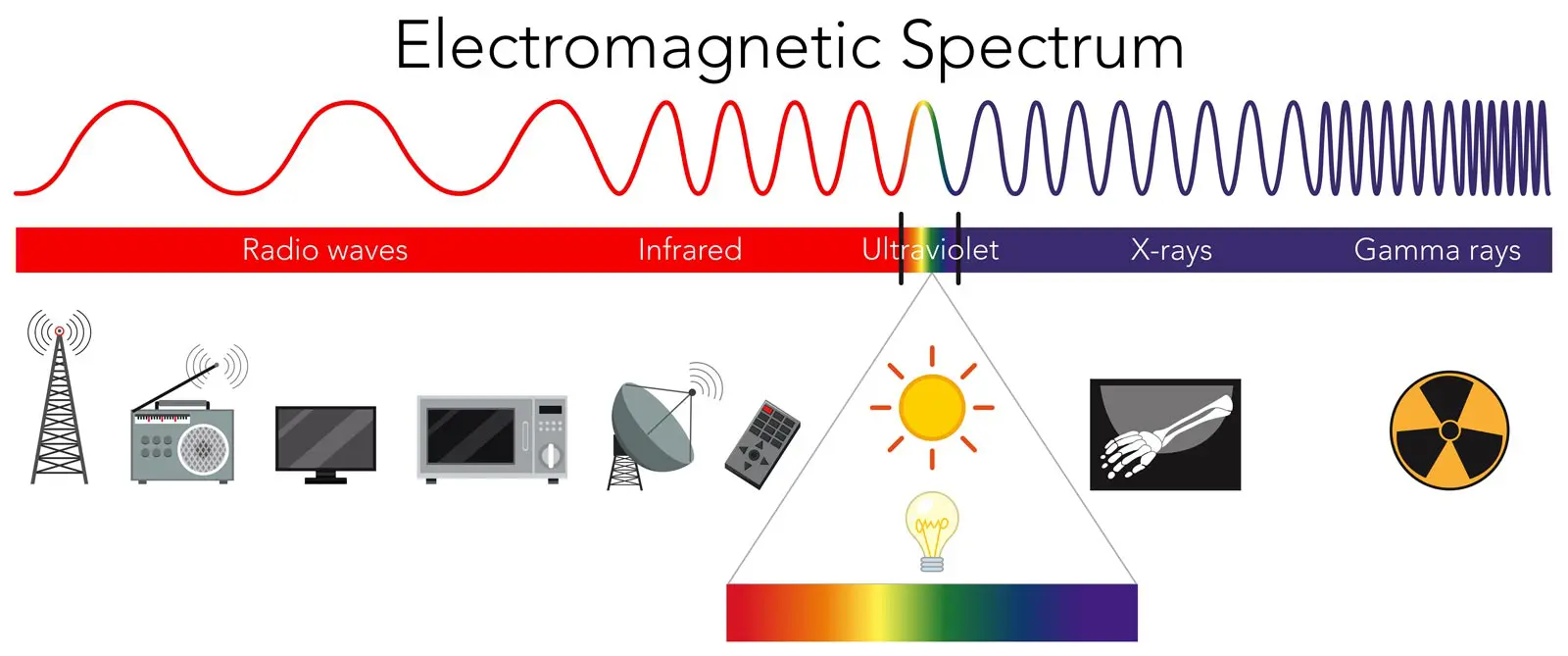
What is UV Radiation?
UV rays fall in the middle of the radiation spectrum, halfway between x-rays and radio waves. Higher energy UV rays can damage the DNA in our cells, which can lead to the risk of cancer.
Luckily, even the highest-energy UV rays cannot penetrate inside our bodies. However, they do damage the parts exposed to them, such as our eyes and skin.
Where is UV Radiation Found?
The most prominent source of UV radiation is the sun. However, we also need to be aware that there are also sources of artificial UV radiation in the workplace.
- Xenon and xenon-mercury arc lamps used in UV curing, disinfection and the testing of solar products.
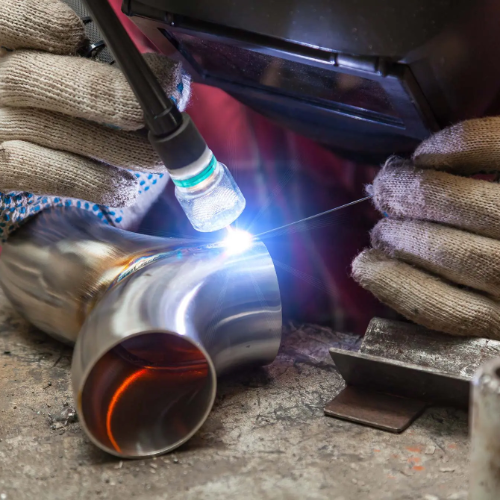
- Plasma torches used in manufacturing, automotive repair, and industrial construction.
- Arc welding used in steel erection, heavy equipment repair, pipeline welding and other major construction projects.
- Laser material processing used in engineering and manufacturing.

Why do we need protection from UV Rays?
Along with the risks mentioned above, overexposure to UV radiation can affect the eyes. Your employees may be aware of “arc eye” experienced a lot in welding.
Overexposure to UV rays causes irritation and severe pain in some cases, like that experienced in arc eye. It can also result in irreversible damage. Repeated overexposure to UV radiation leads to age-related macular degeneration and cataracts. Both conditions can cause blindness.
This all sounds terrifying, but there is a positive. Knowing the risks associated with exposure to hazards helps you protect your employees from them.
Not Your Average UV Protection
The World Health Organisation recommends minimum eye protection of 380 nanometres. Standard safety eyewear complies with this standard and will protect you from UVB rays. However, UVA radiation is only 80% blocked at 380 nanometres.
As the name says, UVEX UV400 protects up to 400 nanometres. Protection at 400 nanometres entirely blocks out both UVA and UVB rays.

How UV400 Works
When exposed to UV radiation, the DNA in the cells of your eye reacts and produces heat. With light exposure, the DNA can dissipate the heat, but with overexposure, it cannot. This cell heating is what causes abnormalities in your cells that lead to damage.
Standard safety eyewear still leaves your eyes open to damage from 20% of UVA rays. It also does not protect you from aggressive blue light content (HEV). HEV is very harmful to your retina, which is your eyes communication portal with your brain.
By increasing the shield parameter from 380 nanometres to 400 nanometres, UV400 completely blocks out UVB and UVA rays. As an added benefit, UV400 reduces exposure to HEV by 15%.
Having a healthy workforce is imperative. Choosing between 380-nanometre protection and UV400 is a no brainer. The more your employees are protected, the easier your job becomes.