Delta Health and Safety Supporting Oil and Gas Safety
With over 25 years of industry experience, our Delta Health and Safety team has extensive knowledge in specialised PPE. Particularly in oil and gas personal protective equipment.
Consider us as your first call when searching for information and recommendations for this environment. However, if you would prefer to do some quick and easy reading up first, then we want to provide that too.
So, in this article, we look at the key components for PPE in the oil and gas industry. This is a quick referral guide for your ease of reference.

Prominent Hazards in the Oil and Gas Industry
Employees in the oil and gas industry face a multitude of risks. These safety threats range from flying particles to falling objects and various gases.
Common hazards faced when working with oil and gas are:
- Injuries experienced through being struck-by, caught-in or caught-between machinery
- Explosions and fires
- Falling
- Injuries experienced by working in confined spaces
- Electrocution or injuries from other hazardous energy
- Injuries experienced from ergonomic strain
- Exposure to chemicals

Oil and Gas Personal Protection
The oil and gas industry deals with particularly volatile materials in an inherently hazardous environment. Therefore, your top priority is to ensure your employees are fully protected from all potential risks.
Personal protective equipment is a necessity for every worker in this field. Here is a thorough rundown on oil and gas PPE.
Face Shields and Protective Eyewear
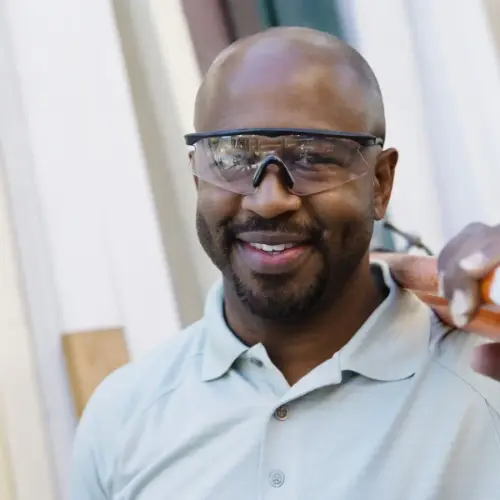
Face protection for molten metal or hazardous liquids and gases is vital in an environment exposed to flying particles. Face shields are the best protection from splashing chemicals and certain flying debris.
However, it’s important to remember that face shields do not offer enough protection from impact risks. When worn with safety eyewear, face shields offer your employees appropriate defence against their face and eyes risks.
Safety goggles and glasses should be your go-to in shielding the eyes from potentially harmful light radiation.
When selecting face shields and protective eyewear for the oil and gas industry, consider the following points.
- Whether a lens tint is required
- Procuring protection that offers adjustments for a comfortable fit
- What chemical resistance you need that is specific to your worksite
- Choose polycarbonate lenses for the purpose of impact protection
- Pick acetate lenses for chemical protection
- Ensuring the product is anti-fog and anti-scratch coated

Head Protection
The risk of falling objects is ever-present in the oil and gas industry. Dealing with large, often towering equipment means your employees face many overhead hazards.
Protecting the head from impact and penetration is one of the most crucial considerations in your PPE procurement. Head protection comes in the form of hard hats, which can also protect against electrical discharge in certain classes.
Select a product that:
- Protects from lateral and crown impact
- Is lightweight
- Contains different suspension points for a comfortable and snug fit
- Is made of high-density polyethylene for chemical resistance
Fire Resistant Clothing and Body Protection
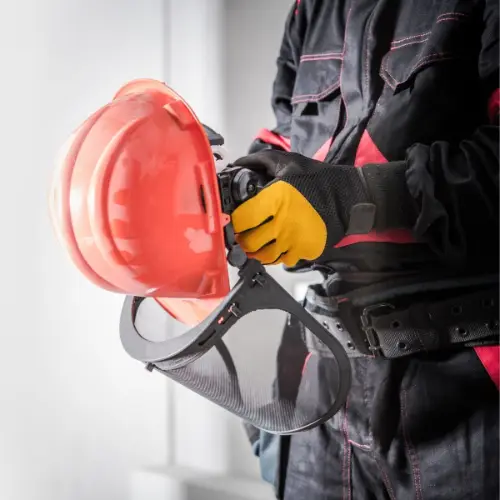
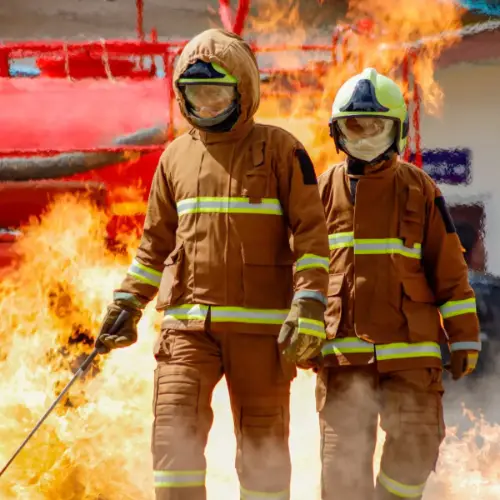
Body protection is essential in any industry but specifically in the oil and gas industry. Employees dealing with volatile oil and gas extraction environments are subjected to a high risk of flash fires.
The clothing that is worn in this industry often needs to be fire and heat resistant. High visibility features are also recommended.
Fire-resistant clothing is particularly important when:
- The drilling process meets with stores of oil or gas
- Employees are working on any active wells
- Extracting, separating, storing, gauging, or preparing products in any way
- Sealing or decommissioning inactive wells.

Hearing Safety
Oil and gas extraction equipment operate at a high decibel level. Ensure that you provide your employees with hearing protection appropriate to their environment. This industry subjects staff to continuous, intermittent, and impulse or impact noise.
Hearing protection needs to be compatible with any face, eye, and head protection. It is also essential to consider:
- Selecting hearing protection that still allows staff to communicate with each other
- Using earplugs that are disposable or easy to keep clean
- Providing earplugs or earmuffs that are easy to carry around and easily accessible
- Ensuring that your employees are well trained in how to use their hearing protection.

Hand Protection
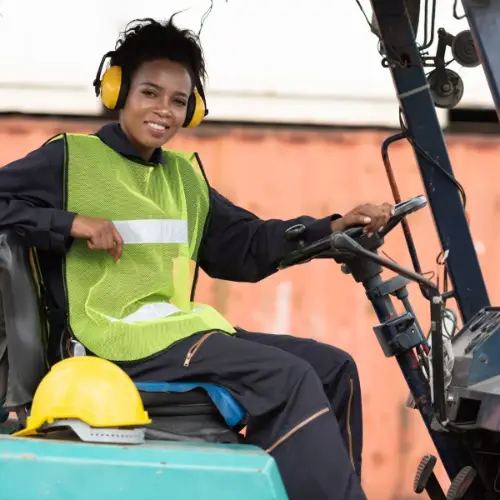
Your employees’ hands are vital to the smooth running of all oil and gas operations. Therefore, hand protection needs to be functional and highly effective.
When selecting safety gloves for your worksite, think about:
- The dexterity needed for your employees’ duties
- If the gloves need to offer specific protection such as heat or chemical resistance
- Whether you require speciality gloves to protect against crush injuries
Safety Footwear
The high risk of foot crush and puncture injuries make safety boots non-negotiable in oil and gas PPE. When deciding on safety boots for your employees, consider slip, cut, and abrasion resistant options.
Before you buy safety boots for your workers, ensure that they:
- Are anti-static to reduce static electricity build-up
- Have appropriate protection in the toes and midsole to prevent puncture injuries
- Comply with the necessary ISO standards
Respiratory Protection
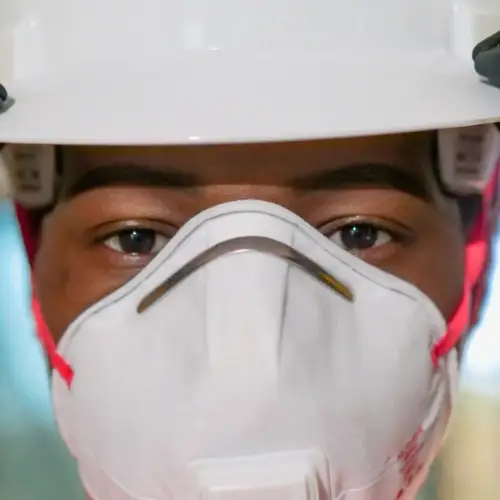
Oil and gas extraction uses several substances that create unsafe atmospheric conditions. Hydrogen gas, silica dust and helium are typical by-products of processes in these industries. Providing respiratory protection for your employees reduces the risk of harm from these substances.
Assess whether your worksite is subjected to unsafe atmospheric conditions, and respirators are required.
Make sure that your respiratory equipment is:
- Fit for purpose for the substances present at your worksite
- Fit and seal tested to each employee
- Regularly checked
More than Just PPE
This guide gives you the basics to decide on the PPE you may need. However, Delta Health and Safety is focused on going the extra mile for your protection.
Our team is available to create the ideal oil and gas PPE solution for your worksite.